



- Will AI replace jobs
Artificial Intelligence (AI) is transforming the way we live, work, and communicate. From automated customer service to intelligent data analysis, AI is reshaping industries at lightning speed. But with this evolution comes one of the biggest questions of our time will AI take our jobs, or create new opportunities?
In this post, we’ll explore how AI is changing the job landscape, which roles are most at risk, which new careers are emerging, and how you can prepare to stay relevant in the era of automation.
- Content
How AI is Changing the Job Market
AI is not just a futuristic concept it’s already here. Many companies use AI to streamline operations, analyze data, and reduce repetitive work.
Tasks that once required human input like data entry, scheduling, or customer support can now be performed by AI tools.
However, while automation eliminates some roles, it also creates new opportunities in AI development, data science, ethics, creative strategy, and system maintenance.
In short: AI doesn’t remove human jobs; it transforms them.
Jobs Most Affected by AI Automation
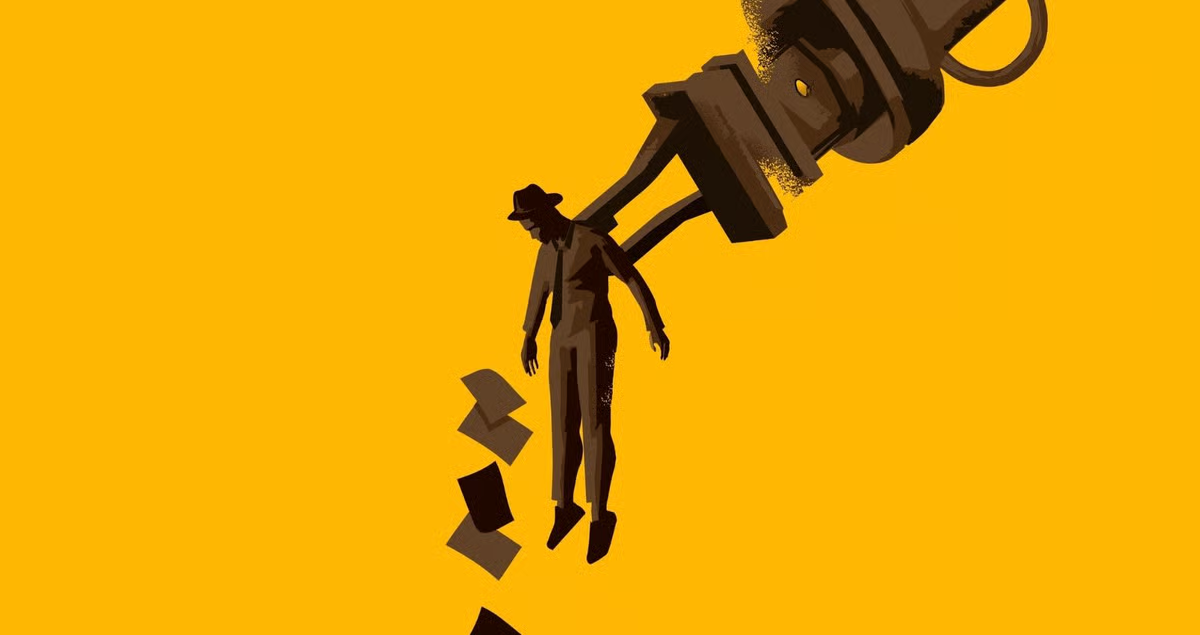
Some roles are more likely to change (or even disappear) due to automation.
Here are a few examples:
Administrative roles Data entry, bookkeeping, and scheduling are easily automated.
Customer service Chatbots can handle basic queries 24/7.
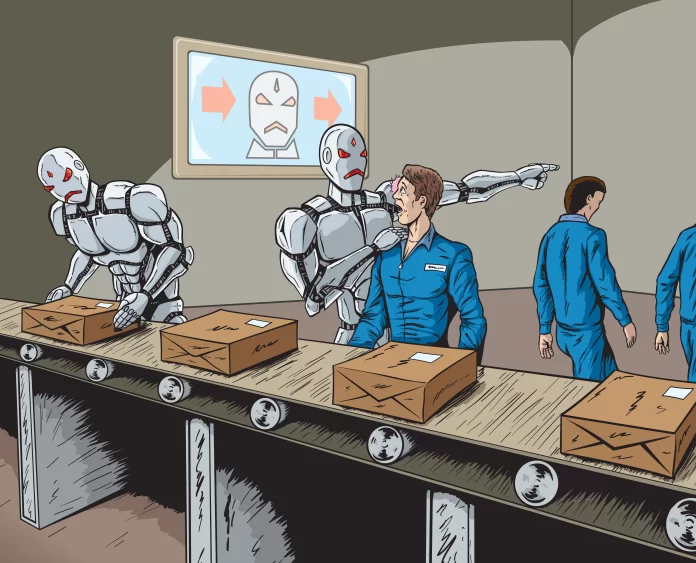
Manufacturing and logistics Robots and AI driven machines can perform repetitive tasks with precision.
Retail and sales AI tools personalize recommendations and manage inventory automatically.
While these jobs evolve, humans remain essential for empathy, decision making, and creative problem solving skills machines still can’t replicate.
New Careers Emerging Because of AI
As old roles transform, entirely new industries and job titles are emerging.
Here are some fast growing AI driven careers:
AI Engineer / Machine Learning Specialist Designs and trains AI systems.
Data Scientist / Data Analyst Interprets massive datasets for insights.
AI Product Manager Bridges the gap between business and AI technology.
Prompt Engineer Crafts AI inputs to generate high quality results.
AI Ethics Officer Ensures AI systems follow ethical and legal standards.
Robotics Technician Builds and maintains AI powered machines.
In short, AI is creating a demand for professionals who can build, manage, and guide intelligent systems.
Skills You’ll Need in the AI Era
To thrive in the future job market, you need to develop a mix of technical, creative, and human centric skills.
Top skills for the AI driven future:
Digital literacy Understanding how technology impacts your field.
Critical thinking & problem-solving Making informed decisions from AI generated insights.
Adaptability Being open to continuous learning and new tools.
Creativity Using AI as a partner in innovation.
Communication & collaboration Working effectively alongside technology and teams.
Remember: AI enhances human ability it doesn’t replace it. Those who can adapt and upskill will lead the next wave of innovation.
How to Future-Proof Your Career Against AI
Here are some practical steps you can take today:
Learn about AI tools relevant to your field (e.g., ChatGPT, Midjourney, DataRobot).
Take online courses in AI, data analytics, or machine learning.
Build a portfolio showing your ability to use technology creatively.
Stay updated on industry trends through newsletters, podcasts, and webinars.
Focus on soft skills leadership, empathy, negotiation, and creativity remain irreplaceable.
The Positive Side of AI and Jobs
Instead of fearing AI, think of it as a collaborator.
AI can handle time-consuming, repetitive work, freeing humans to focus on strategic, meaningful, and creative tasks.
This shift will make work more efficient and fulfilling, allowing people to spend their time where it matters most innovation and impact.
Frequently Asked Questions (FAQs)
1. Will AI completely replace humans in the workforce?
No. While AI can automate tasks, most jobs require emotional intelligence, critical thinking, and creativity things AI cannot replicate.
2. Which jobs are safe from AI?
Roles involving creativity, strategy, empathy, and leadership such as designers, teachers, therapists, and managers are less likely to be replaced.
3. How can I prepare my career for AI?
Start by learning how AI affects your industry, gain digital skills, and explore online certifications in AI, analytics, or automation.
4. Are there jobs created directly by AI?
Yes. Roles like AI engineers, prompt designers, data analysts, and ethics officers have emerged directly because of AI growth.
5. Is AI a threat or an opportunity?
It’s both depending on how you approach it. Those who embrace AI and adapt will find more opportunities than risks.
Conclusion
AI is not the end of human jobs it’s the beginning of a smarter, more innovative workforce.
The key to success lies in embracing change, learning continuously, and using AI as a tool, not a competitor.
The future belongs to those who can combine human creativity with machine intelligence and that future starts now.